Homes in Northeast Atlanta attract buyers for more than curb appeal. The lasting value of a home comes from a combination of neighborhood patterns, practical features, and small improvements that matter to buyers year after year. Whether you plan to buy or sell in the region, understanding these durable value signals will help you make choices that deliver returns and reduce stress during the process.
Think in terms of what future buyers will still want five to ten years from now. In Northeast Atlanta that often includes reliable school zones, reasonable commute options to employment centers, proximity to Lake Lanier and recreational areas, and access to grocery, dining, and health services without a long drive. These lifestyle anchors shape buyer demand more than short lived trends.
Durable home features matter. Open flexible floor plans that allow a home office or multiuse space, a main level primary bedroom, well designed storage and closets, and energy efficient windows, HVAC and insulation are all features buyers continue to pay for. These upgrades are less about luxury and more about function and lower ongoing costs. When deciding where to invest before listing, prioritize improvements that improve comfort and reduce future maintenance.
Lot and site quality often dictate long term desirability. Drainage, usable outdoor space, mature trees, lot orientation for light, and privacy screens are subtle signals that buyers reward. In Northeast Atlanta, properties with gentle lots that support outdoor living and easy yard maintenance tend to get more competitive offers than lots that require major grading or constant upkeep.
Understand local inventory and timing. Northeast Atlanta is not a single market. Some neighborhoods are consistently in demand while others see cycles. Track days on market, new listings versus closed sales, and price per square foot trends in the specific communities you are targeting. For sellers this means pricing to the neighborhood and presenting the home in the condition local buyers expect. For buyers it means knowing when a listing price represents a fair value versus an opportunity to negotiate.
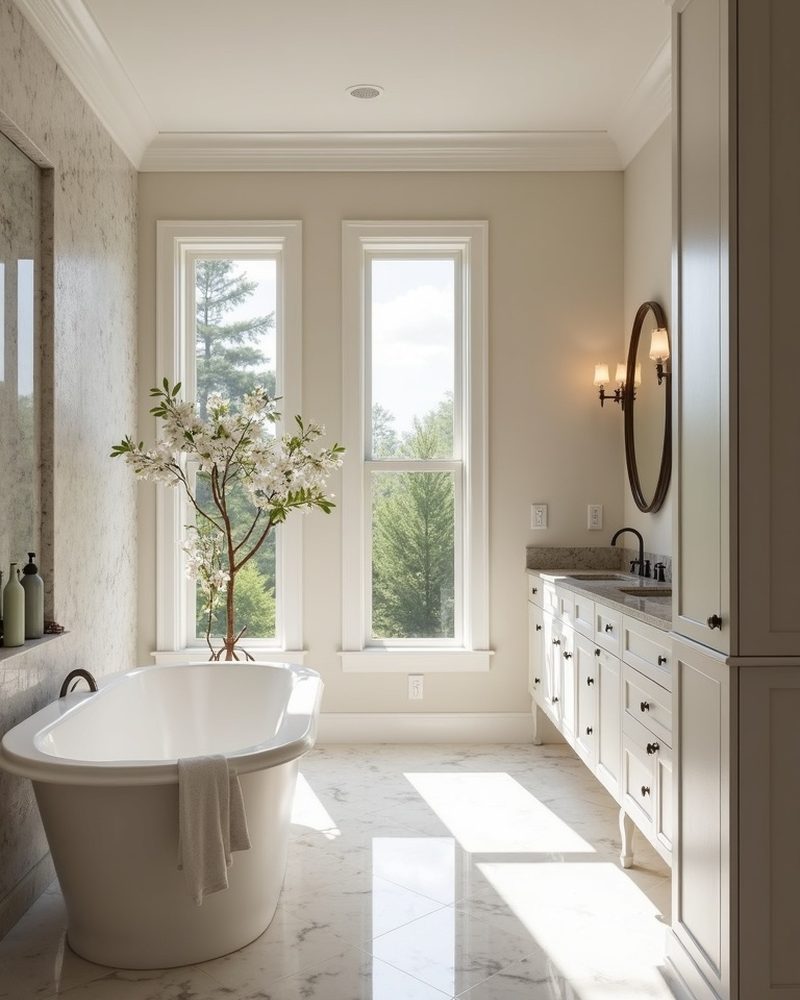
Small improvements give big returns when chosen wisely. Fresh paint in neutral tones, fixing soft spots in floors, updating hardware, and decluttering to show space clearly are cost effective. Kitchens and bathrooms don’t need full remodels to deliver impact. Simple, well executed updates to lighting, faucets, and cabinet hardware can modernize without overspending. Staging to highlight flow and scale helps buyers see themselves living in the space and shortens time on market.
Energy efficiency and maintenance transparency are growing local priorities. Buyers ask about utility costs, roof age, and major systems. Providing a maintenance history and receipts for recent work builds trust and can tip negotiations in your favor. Consider getting a preinspection or providing an energy assessment to remove uncertainty for buyers.
For buyers, evaluate long term risks and benefits beyond the house itself. Check planned developments, road projects, and new school boundary proposals that can alter desirability. Confirm flood zones and insurance implications, especially for properties near creeks and Lake Lanier. Factor in property tax trends and HOA rules that may affect rental flexibility, accessory buildings, and exterior changes.
For sellers, tell a clear story. Market the lifestyle your home offers not just the features. If your neighborhood is popular with commuters, highlight commute times and convenient routes. If local trails or lake access are nearby, show them in listing language and photography. Buyers in Northeast Atlanta often choose on lifestyle fit before they zero in on the floor plan.
Price with precision. Comparable sales are your best guide but adjust for condition, lot quality, and recent improvements. Overpricing can erode buyer interest and buyer confidence. A well priced, well presented home typically captures more showings and better offers, often resulting
