Whether you are buying your first home, upsizing for family life, downsizing for retirement, or selling to capture equity, understanding the subtle corridors of value across Northeast Atlanta will help you make smarter, longer-lasting decisions. This guide blends market trends, neighborhood-level signals, and practical steps that are relevant today and will remain useful in years to come for anyone focused on Flowery Branch, Hoschton, Gainesville, Murrayville and surrounding communities.
Start with the layered view: what buyers pay for now, what sellers can improve, and what creates lasting demand. In Northeast Atlanta that often means proximity to good schools, reasonable commute times to job hubs, and outdoor access like Lake Lanier and community greenspaces. But micro-level realities matter more than broad labels. A short list of specific local value drivers to check before you buy or list: school boundaries and projected changes, planned road improvements, new commercial or medical developments, HOA rules and fees, floodplain maps, and builder warranty status on newer homes.
Price is a signal. For sellers, pricing slightly above realistic market value can delay offers and invite appraisal gaps; pricing aggressively within a well-researched range generates attention and often multiple offer scenarios. For buyers, look beyond list price to days on market trends, seller concessions history, and neighborhood turnover rates. These data points reveal whether a listing is priced to move or simply testing the market.
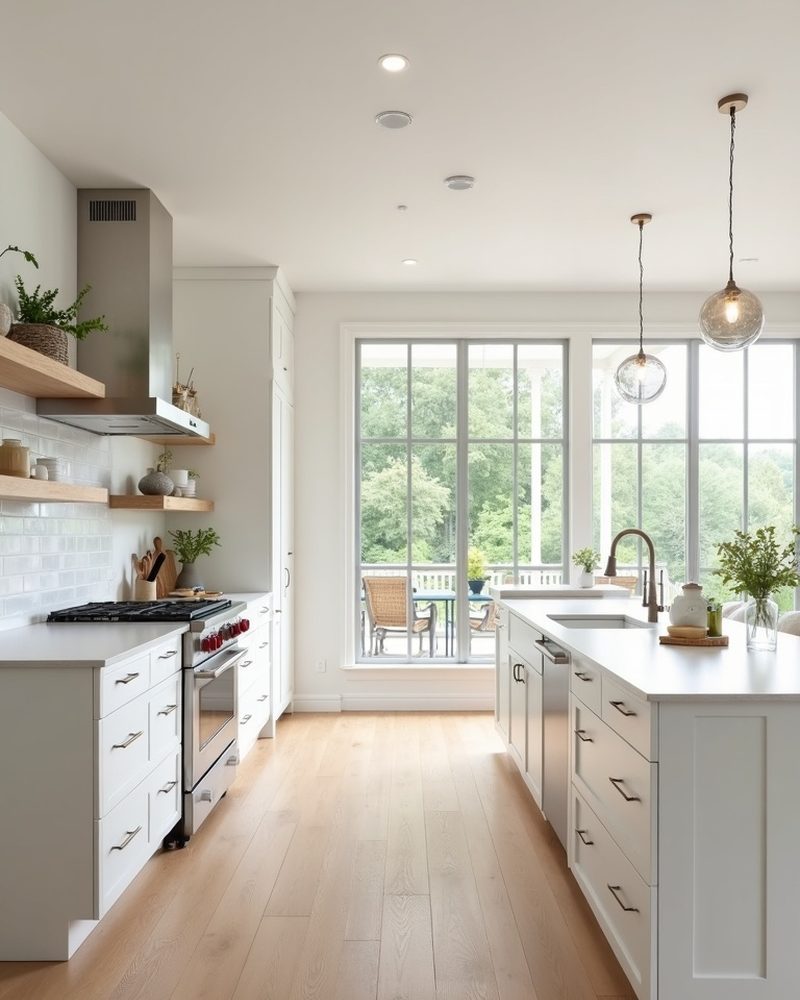
Condition and presentation are high-return levers. Sellers in our market consistently see the best returns from neutral paint, professional photos, minor kitchen and bath updates that improve function rather than trendiness, and thoughtful curb appeal improvements like clean landscaping and an inviting entry. For buyers, a home that needs mostly cosmetic updates often presents the best long-term value, especially when construction costs and contractor availability are factored into your offer math.
Timing still matters but seasonality has softened. Spring remains active, but secondary peaks tied to school calendars and new job transfers create windows in late summer and early winter. Interest rate shifts change buyer urgency quickly; savvy buyers and sellers plan around realistic closing timelines and rate-lock windows. Investors should watch local rental demand patterns in towns near Lake Lanier and growing employment corridors to identify stable cashflow opportunities.
Neighborhood signals beat broad statistics. Walk the blocks you are considering. Look for well-maintained homes, active community spaces, children playing, and strong local businesses. Pay attention to incremental investments like new sidewalks, repaved streets, and public safety improvements. These small signs often precede measurable appreciation. Conversely, rising vacancy, neglected yards, or frequent for-sale signs clustered in one pocket can signal headwinds even if county-level metrics look strong.
Renovation ROI is local. In Northeast Atlanta, buyers reward added living space, main-level primary suites, garage and workshop space, and outdoor living areas that suit year-round entertaining. Energy upgrades and efficient HVAC systems also sell well, since buyers recognize lower operating costs. If you plan upgrades prior to listing, focus on repairs and updates that broaden appeal instead of niche luxury choices that only attract a narrow buyer segment.
Inspections, disclosures and realistic repair budgets protect both parties. Buyers should budget beyond the inspection fee for likely deferred maintenance items common in the area: roof age, HVAC replacement, septic vs. sewer issues, and potential drainage or grading work near creeks. Sellers who proactively address or disclose issues build trust and reduce negotiation friction during contract contingencies.
For investors and second-home buyers, seasonal rental markets near Lake Lanier and short-term demand tied to local events can be lucrative. Confirm local short-term rental rules, HOA restrictions, and parking limitations before assuming rental income will be straightforward. Longer-term buy-and-hold investors will benefit from targeting neighborhoods with low turnover, strong schools, and steady employment growth in nearby commercial centers.
Data-driven decisions win. Use multiple sources: county property records, school district maps, traffic studies, and local planning commission agendas. Compare comparable sales within a 6-12 month window and adjust for condition and lot differences. When in doubt, consult a local agent who knows how to translate that data into a price and strategy tailored to your timeline and goals.
If you want local insights tailored to a particular street or neighborhood in Northeast Atlanta, I would be glad to help you interpret market signals and build a plan that fits your timeline and budget. Call Abigail Segovia at 770-912-1212 or visit
Homes by Abigail to see neighborhood reports, recent sales, and personalized buying or selling strategies.
