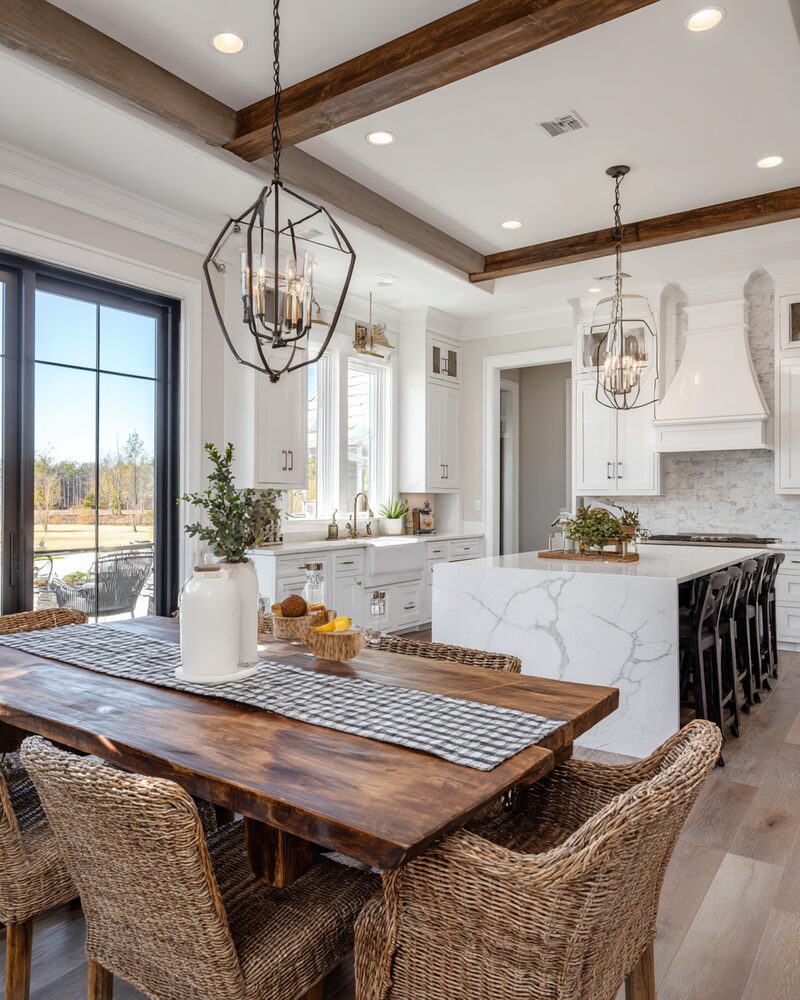
Whether you are buying your first home, trading up, downsizing, or selling an investment property, the Northeast Atlanta market offers a wide range of opportunities and challenges. This region, including communities like Johns Creek, Peachtree Corners, Suwanee, Duluth and parts of Sandy Springs and Alpharetta, demands a strategy that balances immediate needs with long term resale value. Below are practical steps buyers and sellers can use now and reference for years to come when making decisions in Northeast Atlanta real estate.
Start with local data not national headlines. Real estate is hyperlocal: school zones, micro-market price trends, new subdivision deliveries, and road improvements shift value faster than nationwide averages. For buyers, that means digging into recent comparable sales and active inventory in the exact neighborhood you want. For sellers, it means pricing with local comps and understanding buyer expectations for finishes and outdoor living in Northeast Atlanta homes.
Understand seasonality and inventory trends. Spring still tends to bring more active buyers in this region, but inventory swings can happen any month due to job transfers, new construction closings, or mortgage rate movements. If inventory is low you may face multiple offers as a buyer; if inventory rises you have more negotiating power as a buyer and need more targeted marketing as a seller. Track days on market and sale price to list price ratios for your specific zip code to set realistic timelines.
Prioritize commute times and amenity access. Many Northeast Atlanta buyers weigh commute to employment centers, access to GA-400, I-85, and proximity to major employers or business parks heavily. But quality of life factors also matter: parks, walking trails, nearby grocery and dining, and reputable schools. These amenities are consistent drivers of appreciation in this region, so document the commute and amenity tradeoffs you are willing to make before shopping or staging your home.
Make buy and sell decisions through the lens of resale. Even if you plan to live in a house for years, purchasing with resale in mind protects your investment. Neutral finishes, practical floor plans, and strong curb appeal often matter more to future buyers than designer trends. Sellers should invest strategically: small updates in kitchens and bathrooms, landscaping improvements, and professional photography often yield measurable returns in Northeast Atlanta neighborhoods.
Get your financing and inspection strategy right. Buyers should secure a mortgage preapproval that reflects the true buying power after taxes and HOA fees. In competitive situations, a clean, well-documented preapproval can strengthen an offer. Include appropriate inspection contingencies and know common regional issues—drainage, grading, and aging HVAC or roofs—so you can ask informed questions or negotiate repair credits.
Leverage staging and pricing for a faster sale. Homes staged to highlight natural light, outdoor living spaces, and functional layouts resonate with Northeast Atlanta buyers who want a lifestyle as much as a structure. Combine staging with a data-driven price: overpriced homes sit and often sell for less after multiple price reductions. Work with an agent to analyze comparable sold homes within a two-mile radius and set a price that captures search algorithms and buyer attention.
Consider long term neighborhood trends. Look for public investments, zoning updates, and school improvements that indicate future demand. Neighborhoods near high-performing schools or new mixed-use developments tend to hold value better. For investors, evaluate rent demand, vacancy rates, and HOA policies to estimate cash flow and appreciation potential.
Use digital marketing and local relationships. Buyers find homes online first, so sellers need strong online exposure including MLS, targeted social ads, and virtual tours. Conversely, buyers should set up local alerts for new listings and be ready to tour homes quickly. Working with a local agent who knows neighborhood nuances, builder timelines, and the referral network for inspectors and contractors makes transactions smoother and faster.
Plan for transaction timing and contingencies. Closing timelines, appraisal expectations, and inspection periods all affect whether a deal closes smoothly. In tight markets consider escalation clauses or flexible closing dates to appeal to sellers
