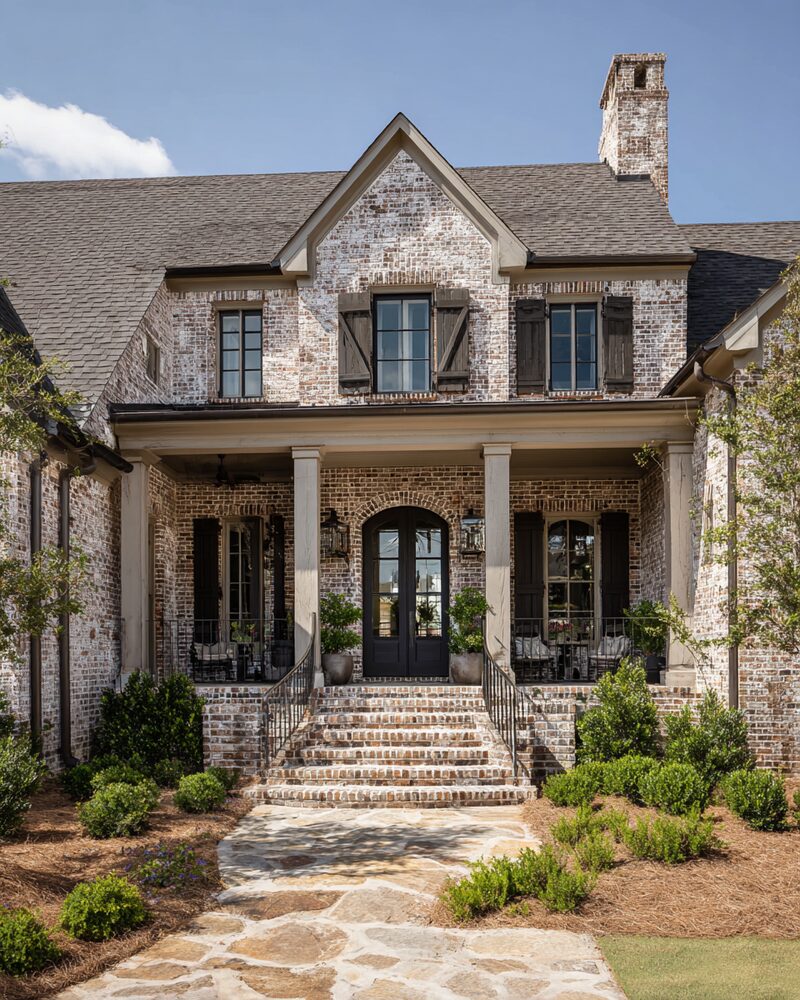
Northeast Atlanta's housing market is changing in ways that matter to buyers, sellers, and investors. As demand for flexible living arrangements and supplemental income grows, accessory homes and small rental units are becoming one of the clearest ways to add value to a property without moving neighborhoods. Whether you are considering adding an in-law suite, converting a garage, or marketing a finished basement as a rental, knowing how these options perform locally will help you make smarter decisions when buying or selling in Northeast Atlanta.
Why accessory homes and small rentals matter right now in Northeast Atlanta
Population shifts, remote work, and steady job growth in the I-85 and I-985 corridors are increasing interest in multi-unit living and short-term housing options. For sellers, homes with legal accessory units or tenant-ready spaces often attract a wider buyer pool and command stronger offers. For buyers, an accessory unit can offset mortgage payments and increase long-term equity. Understanding local zoning, HOA rules, and neighborhood demand is essential before you invest time and money in a conversion.
Where accessory units make the most sense locally
Certain neighborhoods and town clusters in Northeast Atlanta tend to support accessory units better because of school demand, proximity to employment centers, and lifestyle amenities. Look for areas with:
- Good schools and family-friendly services that attract long-term renters.
- Easy commuter access to Atlanta, Buford, Johns Creek, and Gainesville job centers.
- Existing examples of conversions or accessory units, indicating neighborhood acceptance and a smoother permitting path.
Common types of accessory units and their pros and cons
Finished basements: Often the fastest route to rentable space in older homes. Pros include lower cost and proximity to utilities. Cons can be egress, natural lighting, and insurance considerations.
Detached accessory homes: These can command higher rents and greater independence for tenants. Pros include premium rental income and appeal to buyers looking for multi-generational living. Cons include higher permitting and construction costs.
Internal conversions: Attic, garage, or mother-in-law suite conversions can be cost-effective if they meet code. Pros include quicker returns and lower expenses. Cons include reduced garage or storage space, which can affect buyer appeal.
Permits, zoning, and HOA realities in Northeast Atlanta
Local planning rules vary by city and county. Before you spend on construction, research municipal zoning, county regulations, and HOA covenants. Some neighborhoods allow short-term rentals while others strictly prohibit them. Permits protect you, increase resale transparency, and make financing easier if a future buyer wants to use the space as rental income. Always confirm the legal path first and consult with a local agent or planner who understands city and county differences across Gwinnett, Hall, Forsyth, and surrounding jurisdictions.
Design and upgrade decisions that return the most value
Prioritize separate entrances, clearly defined living spaces, and reliable utilities. Kitchens and bathrooms drive rental value, so use durable finishes and efficient layouts. Accessibility features and flexible room layouts increase long-term appeal to both renters and future buyers. Simple upgrades that improve privacy and independence between units often yield the best ROI.
Financing and insurance considerations
Lenders treat properties with accessory units differently depending on whether the unit is permitted and how the income is documented. If rental income will be used for qualification, historic lease documentation helps. Insurance providers may require different coverage for ADUs and short-term rentals; speak with your insurer early. Tax considerations also differ for rental income versus owner-occupied spaces, so consult a CPA for long-term strategy.
How sellers can highlight accessory
